

Economic Prospects for Africa in 2025: ALG’s Comprehensive Analysis

As the world increasingly turns its gaze toward Africa, the continent’s economic prospects for 2025 are framed by a unique combination of opportunities and challenges. With a youthful population, rich natural resources, and burgeoning industries, Africa stands at a pivotal juncture that could define its trajectory for decades to come. This article delves into the regions and countries exhibiting strong potential, the key drivers of growth, and the champions of emergence and investment on the continent.

Regions and Countries with High Potential

  1. East Africa

  East Africa is poised as one of the most dynamic regions on the continent. Countries like Kenya, Ethiopia, and Tanzania are emerging as economic powerhouses, driven by significant investments in infrastructure, technology, and agriculture. Kenya, in particular, has established itself as a tech hub, with a thriving startup ecosystem that has attracted international attention.

  1. West Africa

West Africa, particularly Nigeria and Ghana, is experiencing rapid economic growth, primarily fueled by the oil and gas sector, as well as agricultural exports. Nigeria, as Africa’s largest economy, has immense potential, especially if it can diversify its economy away from oil dependency. Ghana’s stable governance and commitment to economic reforms position it as an attractive destination for foreign direct investment (FDI).

3.North Africa

 North Africa, led by Egypt and Morocco, is experiencing a resurgence thanks to strategic reforms and investments in sectors like renewable energy and tourism. Egypt’s focus on mega-projects, including the New Administrative Capital and the Suez Canal Economic Zone, positions it for substantial economic growth.

  1. Southern Africa

   Countries like South Africa and Botswana are critical players in the Southern African region. South Africa, as the continent’s most industrialized nation, offers a diverse economy, although it faces challenges such as high unemployment and political instability. Botswana, with its stable political environment and prudent economic management, continues to attract investors looking for a reliable market.

Factors piloting Growth

  1. Demographic Dividend

 Africa’s youthful population presents a unique demographic advantage. With over 60% of its population under the age of 25, the continent has the potential to harness a vibrant workforce. However, this demographic dividend necessitates substantial investment in education and vocational training to equip young people with necessary skills.

  1. Technological Advancement

The rapid adoption of technology across various sectors, including fintech, agritech, and e-commerce, is transforming the African economic landscape. The proliferation of mobile technology has enabled entrepreneurs to innovate and access previously untapped markets, thereby driving growth.

  1. Infrastructure Development

Infrastructure remains a critical determinant of economic performance. Investment in transportation, energy, and telecommunications infrastructure is essential for facilitating trade and attracting FDI. Initiatives like the African Continental Free Trade Area (AfCFTA) aim to improve intra-African trade and connectivity.

  1. Political Stability and Governance

Political stability and sound governance are vital for fostering an environment conducive to investment. Countries that prioritize transparency, rule of law, and anti-corruption measures are more likely to attract foreign investment and stimulate economic growth.

  1. Natural Resources and Sustainability

The continent is rich in natural resources, including minerals, oil, and gas. However, sustainable management of these resources is crucial. Countries that adopt sustainable practices and invest in renewable energy will not only enhance their economic prospects but also contribute to global efforts to combat climate change.

Champions of Emergence and Investment

  1. Rwanda

Rwanda is often hailed as a model for economic development in Africa. Its commitment to good governance, infrastructure development, and a robust business environment has made it a darling for foreign investors. The country’s Vision 2050 strategy aims to transform Rwanda into a middle-income country by investing in technology and innovation.

  1. Ghana

 Ghana’s stable political environment and proactive investment policies have made it a magnet for FDI. The government’s focus on industrialization and trade diversification, alongside its rich gold and cocoa resources, positions it as a key player in West Africa.

  1. Kenya

 Kenya’s vibrant tech scene, often referred to as “Silicon Savannah,” has attracted significant investment in recent years. The government’s efforts to enhance digital infrastructure and foster innovation make it a crucial part of Africa’s economic future.

  1. South Africa

   Despite facing economic challenges, South Africa remains a central player in African investment due to its diverse economy and established financial markets. The government’s focus on structural reforms and economic recovery initiatives, particularly post-COVID-19, is critical for reinvigorating growth.

Conclusion

The economic landscape of Africa in 2025 is characterized by a blend of potential and complexity. Regions such as East and West Africa, alongside key players like Rwanda and Ghana, are set to lead the charge in growth and investment. However, this growth hinges on addressing the challenges of governance, infrastructure, and sustainable resource management. As global investors look to the continent for new opportunities, the ability of African nations to adapt and innovate will ultimately determine their success on the world stage.
Read More

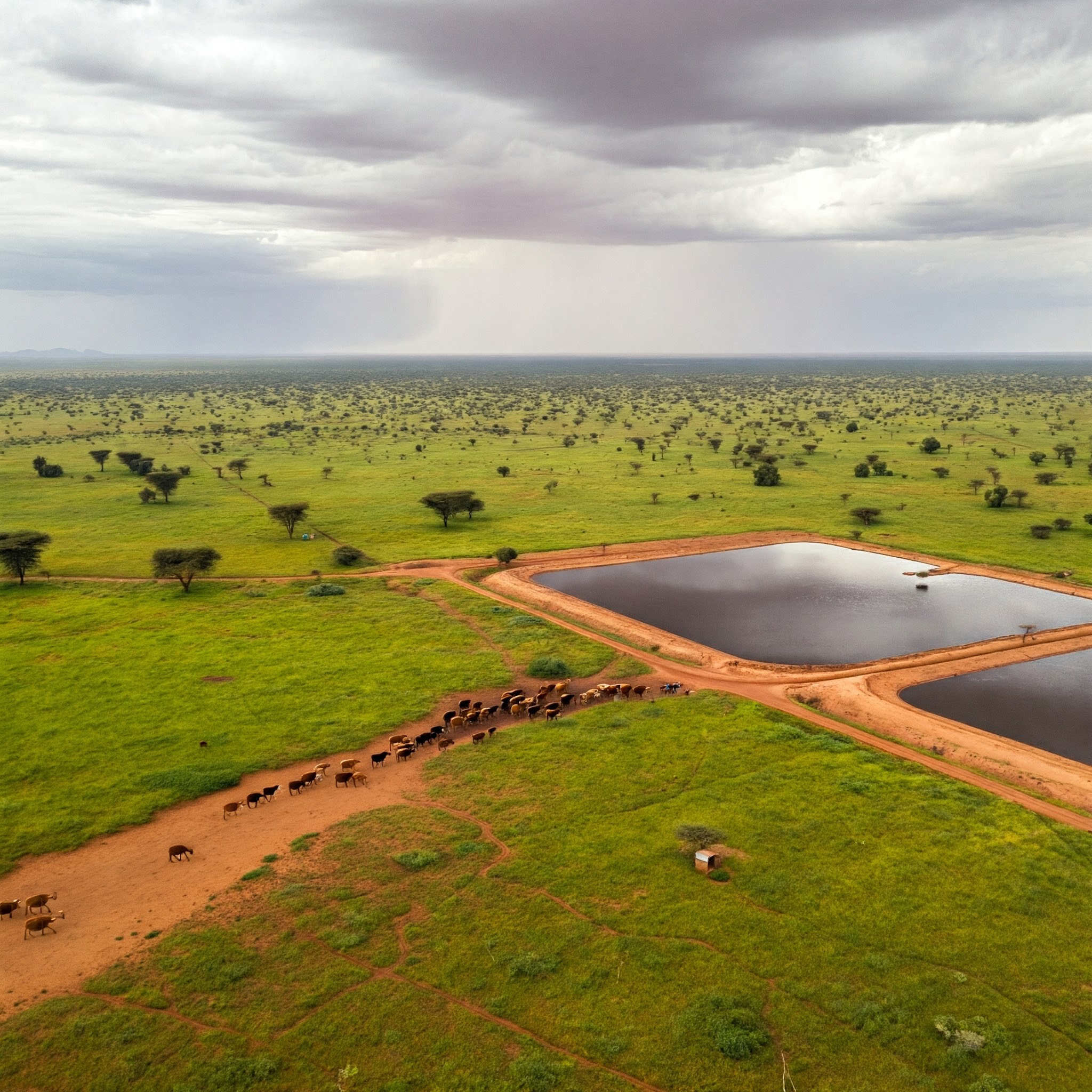
Water, Agriculture, Livestock, and Governance: Essential Sectors for Sahel Stabilization

Abstract

This article is based on the findings of research and studies conducted by the Africa Label Group (ALG) in the Sahel countries over the past five years, complemented by observations from our field teams operating in the region. Despite being plagued by insecurity and terrorism, communities in the Sahel face challenges that are often recurrent and predictable. This article posits that effective management of water resources, agriculture, and livestock is essential for stability, with these sectors requiring a governance framework tailored to local realities. The collaborative efforts of ALG’s international and regional partners—including UNDP, PartnersGlobal, IRI, Heifer International, UNESCO, the World Bank, and the governments of Burkina Faso, Mali, Niger, Senegal, Guinea, and Chad—are crucial in addressing the multifaceted issues facing the Sahel.

 Introduction

The Sahel region, characterized by its arid climate and socio-political fragility, has become a focal point for humanitarian and development efforts aimed at fostering stability. The interplay between water scarcity, agricultural productivity, livestock management, and governance plays a pivotal role in shaping the livelihoods of millions. This article explores how these sectors can be harmonized to promote resilience among communities in the Sahel, ultimately contributing to regional stabilization.

Water Management: A Fundamental Resource

Water is the lifeblood of the Sahel, underpinning both agricultural and livestock activities. However, the region faces significant challenges related to water scarcity due to climate change, population growth, and unsustainable practices. Effective water management strategies are essential for ensuring that communities have access to this vital resource. This includes the development of rainwater harvesting systems, rehabilitation of traditional water sources, and investment in irrigation technologies.

Recommendations for Water Governance

  1. Community-Based Water Management: Empower local communities to manage water resources sustainably through participatory governance structures.
  2. Investment in Infrastructure: Prioritize investments in water infrastructure, such as dams and reservoirs, to enhance water storage capacity.
  3. Cross-Border Cooperation: Foster collaboration among Sahelian countries to manage shared water resources effectively, particularly in transboundary river basins.

Agriculture: Ensuring Food Security

Agriculture is not only a source of food but also a critical economic activity in the Sahel. However, the sector is vulnerable to climate variability and insecurity. Implementing resilient agricultural practices, such as agroecology and climate-smart agriculture, can significantly enhance food security and livelihoods.

Strategic Agricultural Interventions

  1. Diversification of Crops: Encourage farmers to diversify their crops to mitigate risks associated with climate change and market fluctuations.
  2. Training and Capacity Building: Provide farmers with training on sustainable practices and access to modern agricultural technologies to improve productivity.
  3. Market Access: Develop infrastructure and policies that facilitate farmers’ access to local and regional markets.

Livestock Management: Supporting Pastoral Communities

Livestock is a vital asset for many communities in the Sahel, providing sustenance, income, and cultural identity. However, pastoralists face challenges such as land degradation, conflicts over resources, and climate change. Sustainable livestock management practices are essential for maintaining the health of both the animals and the ecosystems they inhabit.

Livestock Sector Recommendations

  1. **Pastoralist Rights and Land Tenure**: Recognize and protect the land rights of pastoralist communities to reduce conflicts and ensure sustainable grazing practices.
  2. **Animal Health Programs**: Implement vaccination and veterinary services to improve livestock health and productivity.
  3. **Integration of Livestock and Crop Farming**: Promote integrated farming systems that enhance synergies between crop and livestock production.

Governance: A Coordinated Approach

Effective governance is critical for the successful management of water, agriculture, and livestock. Governance structures must be inclusive, transparent, and responsive to the needs of local communities. This requires a multi-stakeholder approach that includes government entities, civil society, and local populations.

Governance Enhancement Strategies

  1. Decentralization of Governance: Empower local governments to make decisions that directly affect their communities, fostering accountability and responsiveness.
  2. Strengthening Institutions: Invest in the capacity of local institutions to manage resources and implement policies effectively.
  3. Conflict Resolution Mechanisms: Establish dialogue platforms that facilitate conflict resolution among different user groups, particularly in resource-scarce areas.

Conclusion

The stabilization of the Sahel necessitates a comprehensive approach that integrates water management, agricultural development, and livestock management within a robust governance framework. The insights drawn from ALG’s research and collaborative efforts with international partners provide a roadmap for addressing the underlying challenges faced by communities in the region. By prioritizing these key sectors, stakeholders can work towards a more resilient and stable Sahel.

Acknowledgments

The authors wish to acknowledge the contributions of ALG’s international partners and local stakeholders in Burkina Faso, Mali, Niger, Senegal, Guinea, and Chad. 

Read More